

Summer Trial Survival
How to Stay Cool, Fueled, and Performing Your Best at Summer Dog Trials
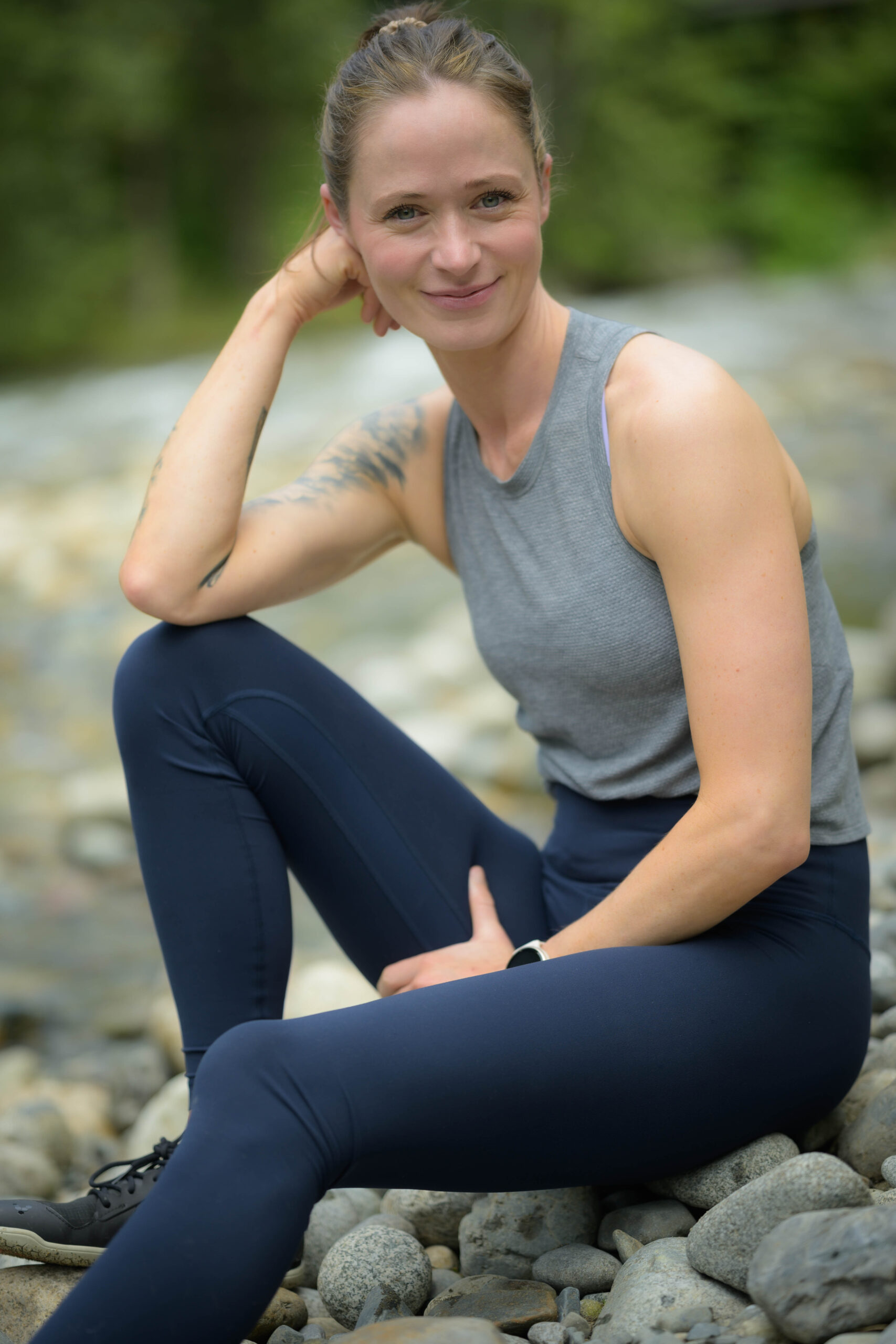
Liz Joyce
Long summer dog trials can be exhausting—for both you and your dog. Whether you compete in agility, IGP, scent work, obedience, or another dog sport, heat, dehydration, poor fueling, and long days outside can quickly drain your energy and focus.
The good news? You don’t need to tough it out. A few simple habits can help you stay cooler, think more clearly, recover faster between runs, and enjoy your trial day instead of just surviving it.
In This Article You’ll Learn
- Why heat feels harder than it used to.
- How to fuel your body for long trial days.
- My favorite ways to stay cool between runs.
- How a simple trial-day system can improve your performance.
Heat Changes the Game
If you’ve ever thought, “I don’t remember summer trials feeling this hard,” you’re probably right.
As we get older, our bodies become less efficient at cooling themselves. We don’t always feel thirsty until we’re already dehydrated, hormones and medications can affect heat tolerance, and long trial days pile stress onto an already demanding environment.
Throw in walking all day, standing in the sun, wearing protective clothing, and spending more time thinking about your dog than yourself, and it’s no wonder you finish the day exhausted.
Heat isn’t a sign you’re getting soft. It’s simply another stressor your body has to manage.
One thing I’ve learned personally is how much hydration matters. Because I don’t have a large intestine, staying hydrated is something I have to think about every single day. I’ve learned the hard way that dehydration doesn’t just make you thirsty—it affects your energy, appetite, focus, mood, and even your sleep. While most people won’t experience it to the same degree, the lesson is the same:
When you’re dehydrated, everything feels harder.
Fuel Like an Athlete
One of the biggest mistakes I see handlers make is waiting until they’re hungry.
By then, your energy has already started dropping, and suddenly the burger, chips, or candy bar become incredibly appealing.
Instead, think about fueling every 2–3 hours with a simple rule:
Protein + Produce
That’s it.
You don’t need a perfect nutrition plan. You just need to give your body a steady supply of energy.
Here’s what I almost always recommend packing:
- Water-rich foods like watermelon, cucumbers, berries, grapes, oranges, and lettuce.
- Protein every few hours to keep energy steady:
- Greek yogurt
- Jerky
- Hard-boiled eggs
- Protein shakes
- Protein bars you actually enjoy eating
- A cooler with prepared snacks so you’re not relying on concession food.
- Electrolytes if you’re sweating heavily or spending the entire day outside.
One of my favorite trial hacks is freezing an electrolyte drink the night before. It keeps everything in my cooler cold, then turns into an ice-cold drink later in the day. It’s simple, but it makes a huge difference.
Small, consistent fueling almost always beats one big meal.
My Favorite Ways to Beat the Heat
Once you’ve fueled your body, the next goal is staying cool before you ever start feeling overheated.
Think about lowering your body temperature throughout the day instead of trying to recover once you’ve already hit your limit.
Here are the strategies I use most often:
- Find shade whenever you can.
- Bring a battery-powered fan for yourself—not just your dog.
- Freeze a damp towel to wear around your neck.
- Wet your hat or hair between runs.
- Cool your pulse points (neck, wrists, behind your knees).
- Soak your feet in cool water after your runs.
- Wear light, breathable clothing.
- Ease back on your warm-up, not your expectations.
One of my personal favorites is keeping a shallow tub in the car and soaking my feet in cool water after a run. It sounds almost too simple, but it’s incredibly effective at helping your body cool down quickly.
Win Before You Leave Home
One of my favorite quotes from James Clear says:
“You do not rise to the level of your goals. You fall to the level of your systems.”
That’s exactly how I think about trial days.
The handlers who seem to have endless energy usually aren’t tougher than everyone else.
They simply have better systems.
Before every trial, I encourage my clients to:
- Pack their cooler the night before.
- Freeze electrolyte drinks.
- Know exactly what they’ll buy if they need to stop at a gas station.
- Plan snacks before they’re hungry.
- Treat hydration and fueling as part of competing—not an afterthought.
Your dog doesn’t magically arrive prepared on trial day.
Neither should you.
The more decisions you make ahead of time, the less mental energy you’ll spend trying to figure things out when you’re already tired and hot.
Key Takeaways
- Heat is another training stressor—prepare for it instead of fighting it.
- Hydration includes both fluids and water-rich foods.
- Aim for protein + produce every 2–3 hours.
- Stay ahead of the heat instead of trying to recover from it.
- Build a trial-day system that makes good decisions automatic.
Frequently Asked Questions
Why do I feel so tired during summer dog agility trials?
Heat increases the workload on your cardiovascular system while long days, standing, walking, and dehydration all contribute to fatigue. Even mild dehydration can reduce your energy, concentration, and endurance.
What should I eat at a dog agility trial?
A simple guideline is protein + produce every 2–3 hours. Greek yogurt, jerky, hard-boiled eggs, protein shakes, fruit, vegetables, and wraps are all excellent options.
What’s the best way to stay hydrated during dog trials?
Drink water consistently, eat water-rich foods, and use electrolytes if you’re sweating heavily or spending long hours in the heat.
What should I pack for a summer trial?
Bring water, electrolytes, a cooler, fruit, vegetables, protein snacks, a cooling towel, a hat, a fan, and access to shade whenever possible.
Can dehydration affect agility performance?
Absolutely. Even mild dehydration can reduce reaction time, concentration, endurance, recovery, and decision-making, making it harder to perform your best on course.
About the Author
Liz Joyce is a Certified Personal Trainer, Running Gait Analyst, Pelvic Floor Corrective Exercise Specialist, and founder of Canine Handler Fitness. She helps dog sport handlers build the strength, speed, endurance, and resilience needed to perform their best with their dogs.
Ready to Level Up Your Agility Fitness?
Looking to take your dog agility fitness to the next level? Check out our programs, designed specifically for dog sport handlers.
